Why the Price Tag on Your Loaf Is the Most Honest Thing About It
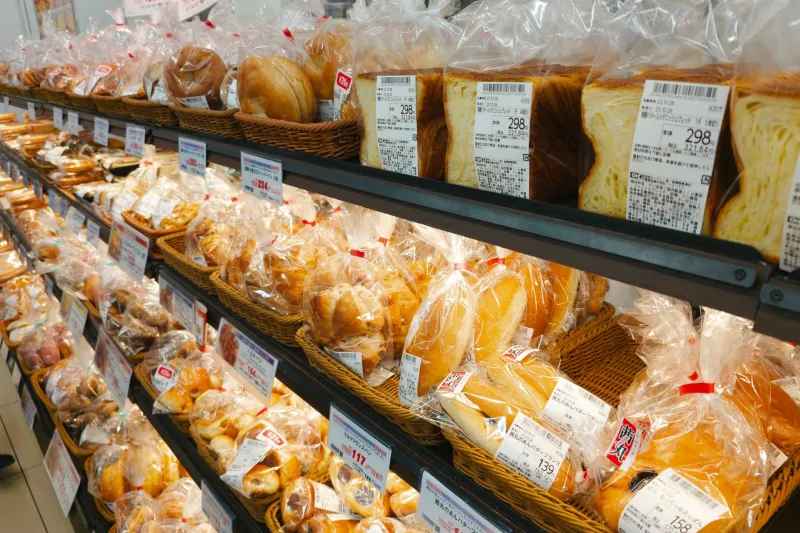
Somewhere around 4 PM on a Tuesday, a customer asked one of our counter staff if we ever discount the bread that's left over at the end of the day. The answer was no. The follow-up question — why not? — took a little longer to answer.
It's a fair thing to wonder. Retail logic says that leftover inventory is a loss, and a loss can be partially recovered by cutting the price. Grocery stores do it. Big box bakeries do it. Even some well-regarded artisan shops run "day-old" sections. So what's the deal with Merritt Bakery?
The short version: we don't discount because we don't think the bread is worth less just because it's been sitting on the shelf for a few hours. And we don't think our customers should be trained to wait for a markdown on something we made with full care and full cost that morning.
The longer version is a lot more interesting.
What a Sale Actually Says
Pricing is communication. Every number you put on a product tells a story about what you think it's worth — and who you think your customer is.
When a bakery slashes prices on end-of-day inventory, the implicit message is: this bread was overpriced to begin with, or it isn't worth full price once it's a few hours old. Either framing is a problem. If the original price was inflated, that's a honesty issue. If the bread degrades that fast, that's a quality issue.
At Merritt, neither of those things is true. The price on a loaf of sourdough reflects the actual cost of making it — the heritage grain flour sourced from California mills, the 48-hour fermentation process, the labor of bakers who start their shifts before most of Oakland is awake. There's no fat in that number. There's no markup built in to absorb a future discount.
So running a sale wouldn't be a generous gesture. It would be a confession that we've been overcharging — which we haven't.
The Hidden Cost of Discount Culture
Here's what the retail industry doesn't always advertise: sale culture is expensive to maintain. When businesses build discounting into their model, they have to inflate base prices to protect margins. Customers learn to wait for sales. Full-price purchases become the exception, not the norm. Eventually, the "sale price" becomes the real price, and the whole system is running on a fiction.
For a small, independent bakery operating on honest margins, that fiction isn't sustainable. We can't inflate our prices to accommodate a future markdown. We're not a department store with a clearance rack and a loss-leader strategy. Every loaf has to pay its own way at the price it was always going to be.
Beyond the math, there's something corrosive about training customers to devalue what you make. We want people to come in at 8 AM because they want the bread — not at 4:30 PM because they're waiting for the price to drop. That shift in behavior changes the relationship between maker and customer in ways that are hard to reverse.
Respect Goes Both Ways
There's a respect argument here that doesn't get made often enough. When we charge a fair price for a loaf of bread and hold that price, we're saying something to our customers: we trust you to understand what this is worth. We're not trying to manipulate the transaction with artificial urgency or manufactured value.
That's a different kind of relationship than most retail encourages. And honestly? Oakland gets it. Our customers — the regulars who show up before the morning rush, the families who make Saturday pickup a weekly ritual, the neighbors who've been buying the same country loaf for three years — they understand that the price reflects something real. They've seen what goes into it. They don't need a discount to feel like they're getting a deal.
The deal is the bread itself.
What Happens to the Leftovers
So what do we actually do with inventory that doesn't sell? This is the question that usually follows the "no discounts" policy, and it's a good one.
Leftover bread at Merritt doesn't go into a clearance bin. It goes to community partners — local organizations doing food access work in Oakland, neighbors who've connected with us through mutual aid networks, people who need it. That's not a marketing strategy. It's just the right thing to do with something we made carefully and don't want to waste.
This approach is possible precisely because we don't discount. If we were running a day-old rack, we'd have less to give — and we'd be sending a different message about value. By keeping the price honest and routing surplus through community channels, the bread maintains its dignity all the way to the end of its life.
Sustainability Without the Crutch
A lot of small food businesses talk about sustainability. Usually that means sourcing and packaging and carbon footprint, which are all important. But there's a financial dimension to sustainability that doesn't get discussed as openly: whether a business is actually viable long-term without propping itself up with gimmicks.
Discount culture is a crutch. It can create short-term traffic and clear inventory, but it doesn't build the kind of customer relationship that keeps a neighborhood bakery alive for decades. What does that is consistency, quality, and honest pricing — the same loaf, made the same way, at the same price, every single day.
That's what we're doing here. And so far, Oakland seems to agree it's worth it.
The shelves empty most days before we'd ever need to think about discounting anyway. Make of that what you will.