The Loaf That Crossed an Ocean Is Still Being Baked in Oakland
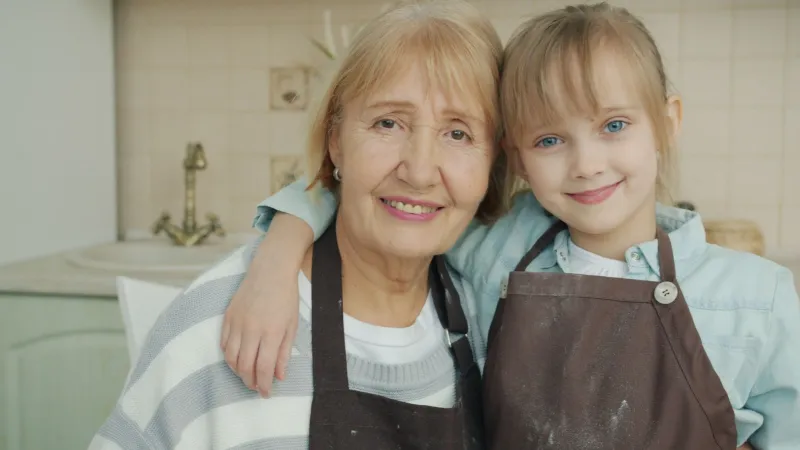
There is a woman who comes into the bakery on Saturday mornings and, every few weeks, buys a dark rye loaf. She doesn't eat it right away. She takes it home, cuts a thick slice, and eats it the way her Lithuanian grandmother ate it — with butter and a little salt, standing at the kitchen counter, not sitting down.
"It's not exactly the same as what she made," she told us once. "But it's close enough that I have to stop for a second when I smell it."
This is what certain breads do. They carry time in them.
The Memory Lives in the Crust
Food scientists have a name for what happens when a smell triggers an involuntary emotional memory — they call it the Proustian phenomenon, after the French writer who famously described being transported by a madeleine dipped in tea. But in Oakland's immigrant communities and in the families of people who came here from somewhere else — which is to say, most of Oakland — this experience is less literary reference and more lived reality.
The smell of a dark sourdough pulling from the oven. The particular chew of a properly fermented rye. The slight sourness of a naturally leavened loaf that spent a long time developing flavor before it ever hit heat. For a lot of people, these sensory details are attached to specific people and specific places in a way that nothing else quite replicates.
This is part of what makes artisan bread — real, long-fermented, traditionally made bread — something more than a food trend. For communities with deep roots in bread-baking cultures, it's a form of continuity.
What Industrial Bread Took From Us
To understand why the return of traditional bread methods feels significant to so many people, you have to understand what was lost in the decades when industrial bread became the American default.
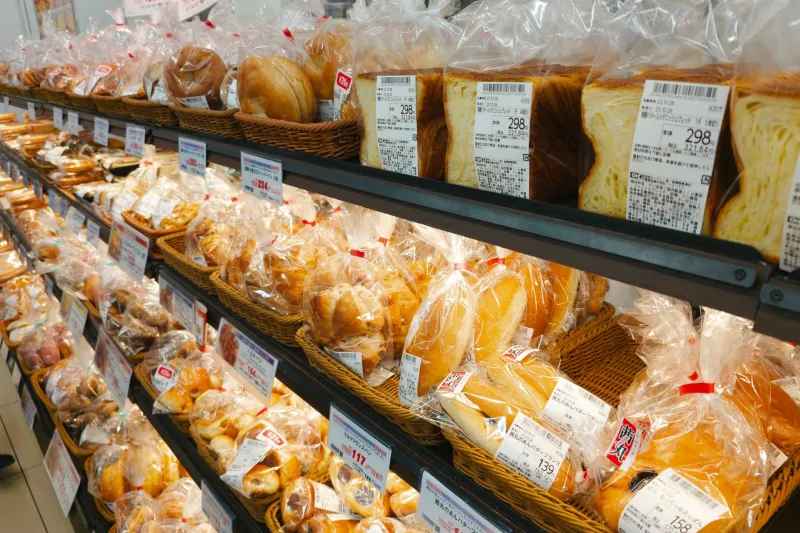
The mid-20th century industrialization of bread production in the United States wasn't just a change in how bread was made. It was a rupture in how bread was understood. Bread became a commodity — soft, shelf-stable, consistent, stripped of the complexity that comes from long fermentation. For immigrant families who had carried baking traditions from Eastern Europe, West Africa, the Middle East, Mexico, Southeast Asia, and dozens of other bread cultures, the bread available in American supermarkets had almost nothing to do with the bread they remembered.
Some families kept baking at home. Many didn't — time, access to the right ingredients, and the sheer labor involved made it difficult. And slowly, over a generation or two, the specific taste of a grandmother's loaf became something that existed only in memory.
The artisan bread revival of the last two decades has been, among other things, a partial recovery of what was lost. Not a perfect recovery. But a genuine one.
Oakland as a Keeper of Bread Traditions
Oakland is a particularly interesting place for this story to unfold. The city's demographics are among the most diverse in the country, which means its collective bread memory spans an extraordinary range of traditions. Sourdough cultures with roots in Northern European farmhouses. Injera fermentation techniques brought from Ethiopia and Eritrea. The dense, seeded ryes of Jewish deli culture. The soft, slightly sweet pan dulce of Mexican bakeries. The pillowy milk breads of East and Southeast Asian baking.
These traditions exist in Oakland in various states of preservation. Some are thriving — the city's Ethiopian restaurant community has kept injera culture alive and visible. Others are more fragile, carried by older bakers and not always passed down.
Artisan bakeries like Merritt exist in a specific relationship to this landscape. We're not trying to replicate every tradition — that's not our story to tell. But the commitment to long fermentation, natural leavening, and traditional technique that defines what we do puts us in conversation with all of these bread cultures, because those methods are, at root, what all of them share.
The sourdough starter is the common ancestor. Every bread culture that existed before commercial yeast was using some version of it.
Starters as Heirlooms
Some of the most moving bread stories in Oakland are the ones about starters that survived.
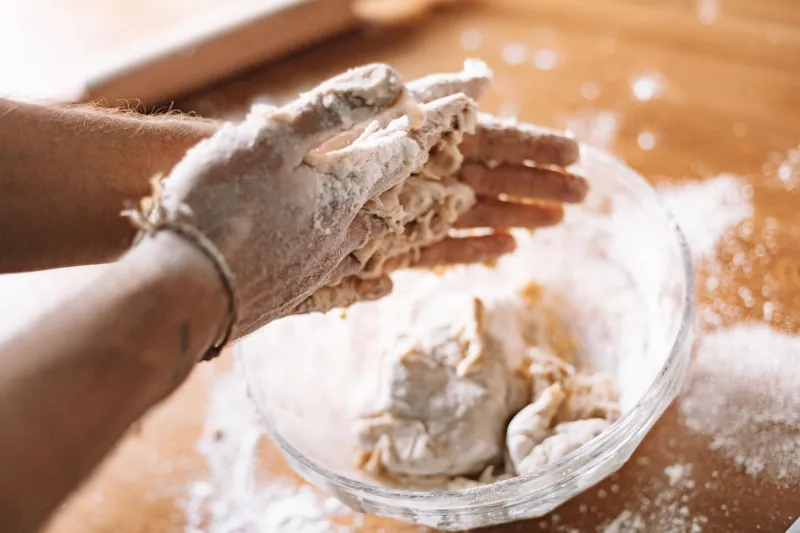
A starter is a living culture — flour, water, and the wild yeasts and bacteria that colonize it over time. Fed and maintained, a starter can last indefinitely. There are documented starters in active use that are over a century old. And in some families, starters have been passed down like heirlooms, carried across borders and through generations.
We've heard versions of this story from customers more than once. A starter brought from a village in Portugal in the 1970s, kept alive in a Bay Area kitchen for fifty years. A rye starter that a family traces back to a great-grandmother in Poland, refreshed every week without fail. A woman in East Oakland who inherited her mother's starter along with her cast iron pan and her recipe for feijoada.
These aren't just sentimental objects. They're living links to specific microbial communities — the yeasts and bacteria of a particular place and time, preserved in flour and water and habit. When you bake with a starter that's been in a family for generations, you're not just using an old recipe. You're working with a culture that has its own history.
What It Means When Oakland Reclaims Its Bread
The customers who come to Merritt looking for something that tastes like what their grandparents made are not, mostly, looking for an exact replica. They know that's not possible. The flour is different, the oven is different, the hands are different.
What they're looking for is the method. The long fermentation. The natural sourness. The crust with real resistance. The crumb with actual texture. The flavor that takes time to develop because it was given time to develop.
When they find it — when a loaf comes close enough to trigger that involuntary stop, that moment of recognition — something real happens. A piece of family history becomes present tense again. A food tradition that might have been lost to convenience and assimilation gets a little more oxygen.
This is one of the quieter things that artisan bakeries do in immigrant cities. They hold space for taste memories. They keep techniques alive that commercial bread production abandoned. They make it possible for people to find, in a loaf of bread, something they thought they'd lost.
The Bread That Keeps Coming Back
Oakland has always been a city of arrivals — people who came from somewhere else and built something new without entirely leaving behind what they carried. The food culture here reflects that. It's layered, hybrid, in constant conversation with its own history.
Bread is part of that conversation. The loaves that crossed oceans — in the memories of the people who baked them, in the techniques passed down through families, in the starters that somehow survived — are still here. Still being fed. Still rising.
On Saturday mornings, a woman in Oakland butters a slice of dark rye and stands at her kitchen counter. For a moment, she's somewhere else. Then she's back, in Oakland, eating good bread.
That's enough. That's actually a lot.