Perfecting the Same Thing Every Day Is Harder Than It Looks — And Oakland Is Finally Noticing
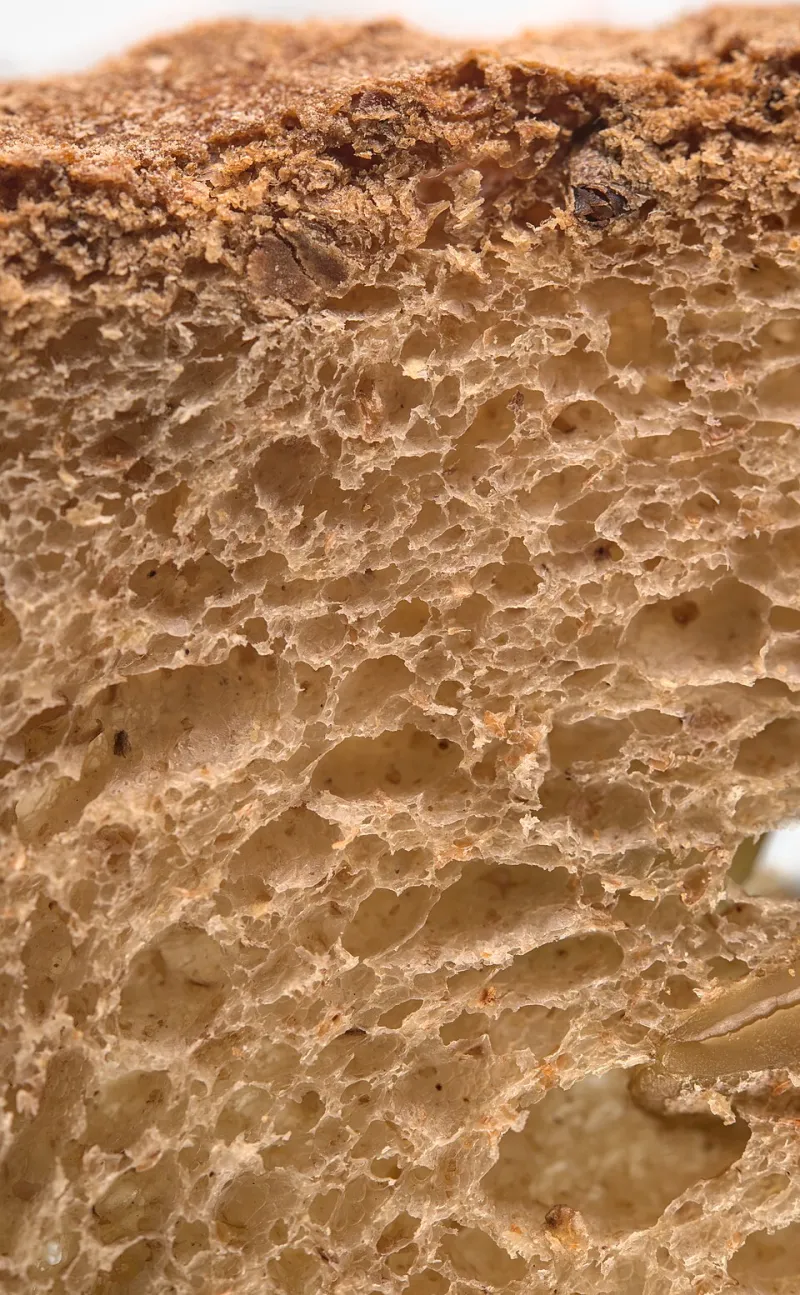
Photo: August Geyler, CC BY-SA 4.0, via Wikimedia Commons
There's a particular kind of trust that builds slowly. It doesn't arrive with a viral post or a limited-edition drop. It accumulates the way sourdough culture does — through repetition, patience, and a stubborn refusal to cut corners when nobody's watching.
That's the quiet story behind what regulars at Merritt Bakery have started calling, only half-jokingly, "the Merritt effect." It's the strange and satisfying experience of returning to the same bakery, ordering the same loaf, and finding that it's just as good as the last time — maybe even a little better. In a Bay Area food scene that rewards reinvention almost compulsively, that kind of steadiness has started to feel almost radical.
The Instagram Problem Nobody Wants to Talk About
Let's be honest about the pressure. The modern food economy runs on novelty. A new flavor, a dramatic visual, a limited-time offering that disappears before you've finished telling your friends about it — these are the engines that drive engagement, foot traffic, and the kind of social media buzz that can make or break a small business in a matter of days.
For a lot of bakeries, especially in cities like Oakland where the food scene moves fast and competition is real, chasing that cycle feels less like a choice and more like a survival strategy. If you're not posting something new, the algorithm — and by extension, the customer — moves on.
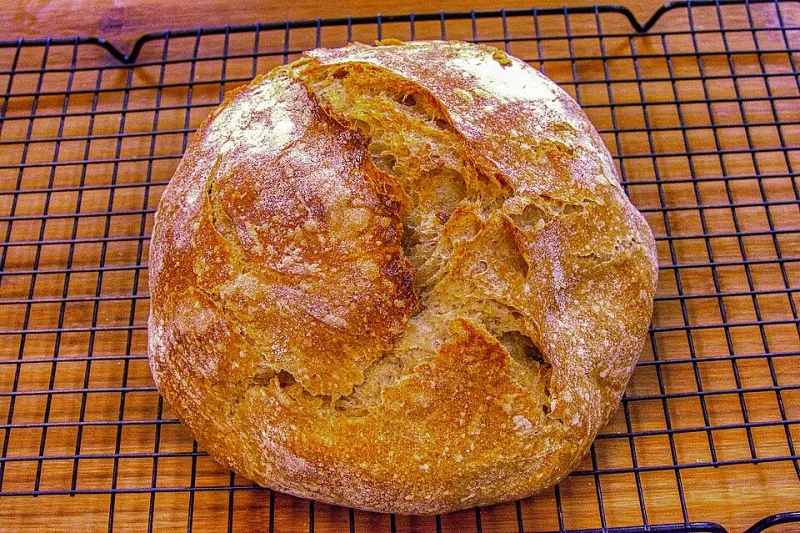
Merritt Bakery has largely opted out of that race. Not out of stubbornness or technophobia, but out of a genuine conviction that the better long game is depth, not breadth. The menu evolves with the seasons, sure, but the core offerings — the country loaf, the morning pastries, the breads that have become neighborhood staples — stay. And they stay because the work of making them better never actually stops.
"People think consistency means you've stopped trying," says one longtime regular who's been coming in on Saturday mornings for the better part of three years. "But it's the opposite. Every time I come in, that loaf is consistent because someone worked really hard to make sure it was. That's not laziness. That's craft."
What Mastery Actually Requires
There's a concept in craft traditions — across woodworking, ceramics, cooking — that the Japanese call shokunin, roughly translated as the artisan's spirit: the idea that mastery isn't a destination but a daily practice. You don't perfect a loaf of bread once and then coast. You perfect it again tomorrow, and then again the day after that, under different humidity conditions, with a slightly different fermentation curve, adjusting for the flour's behavior as the season shifts.
At Merritt Bakery, that philosophy shows up in the details. The sourdough starters are fed and monitored with the kind of attention most people reserve for living things — because they are living things. The shaping technique, the scoring, the bake times — these aren't set-and-forget variables. They're an ongoing conversation between the baker and the dough.
Seasonal restraint plays a big role here, too. Rather than chasing every trending ingredient or pivoting the menu every few weeks, the approach is to work deeply within a narrower range. What can we do with this flour that we haven't fully explored yet? How does this starter perform when we push the fermentation a little longer? The questions are iterative, not expansive.
The result is bread that rewards attention. If you've been eating the same country loaf from Merritt for a year, you start to notice things — a slightly more open crumb in the summer months, a deeper crust when the weather turns. You become, almost without realizing it, a more thoughtful eater.
How Customers Are Changing Right Along With It
This is the part of the story that doesn't get told enough: the way a great bakery can quietly recalibrate the people who frequent it.
Talk to Merritt regulars long enough and a pattern emerges. They start coming in for the bread. Then they start noticing the bread. Then they start thinking differently about food in general — where it comes from, how it's made, what it means to pay a fair price for something genuinely well-crafted.
"I used to buy whatever was cheapest at the grocery store," admits one customer who lives a few blocks away and now stops in twice a week. "Now I find myself reading labels, asking questions at the farmers market. Something about coming here regularly just made me more curious about all of it."
That ripple effect — from a single bakery outward into a neighborhood's broader food consciousness — is exactly what a place like Merritt is positioned to do. It's not a lecture. Nobody's handing out pamphlets about grain sourcing. It happens through the simple, repeated experience of eating something that was made with genuine care and tasting the difference.
Oakland's Quiet Shift Toward Depth
It would be too much to credit one bakery with reshaping an entire city's food culture. Oakland has always had a strong independent food scene, and there are plenty of other makers, farmers, and restaurants contributing to a growing appetite for quality over quantity.
But there's something worth naming about the way Merritt Bakery fits into that larger shift. In a neighborhood context, a bakery is one of the most intimate food relationships people have. It's not a special-occasion restaurant. It's Tuesday morning. It's the walk you take before the day gets complicated. It's the loaf you bring to a friend's house because you know it'll be good.
When that everyday experience is consistently excellent, it raises the baseline. Customers start expecting more — not in an entitled way, but in the way that comes from knowing what's possible. They've tasted the difference between bread made with intention and bread made for margin. Once you know, it's hard to unknow.
Other local food businesses feel this, too. A few neighborhood spots have quietly started sourcing better ingredients, taking more time with fermentation, asking harder questions about their supply chains. Not because Merritt told them to — but because the customers they share are becoming more discerning.
The Unsexy Truth About Doing One Thing Really Well
Here's the thing about the consistency play: it's not glamorous. There's no announcement. No rebranding. No pivot. Just the same baker showing up before dawn, feeding the starter, checking the dough, and making the same loaf one more time with everything they've got.
That kind of commitment doesn't generate a lot of content. It doesn't trend. But it builds something that no algorithm can replicate: genuine trust between a place and the people who depend on it.
In Oakland, where so much has changed so fast — where longtime residents have watched neighborhoods transform around them and small businesses come and go — that steadiness means something. A bakery that's here, that's good, that's going to be here tomorrow and the week after, doing the same thing and doing it well? That's not boring. That's actually pretty rare.
And increasingly, it's exactly what people are looking for.