What's in the Water: How Oakland's Unique Mineral Profile Quietly Shapes Every Loaf We Bake
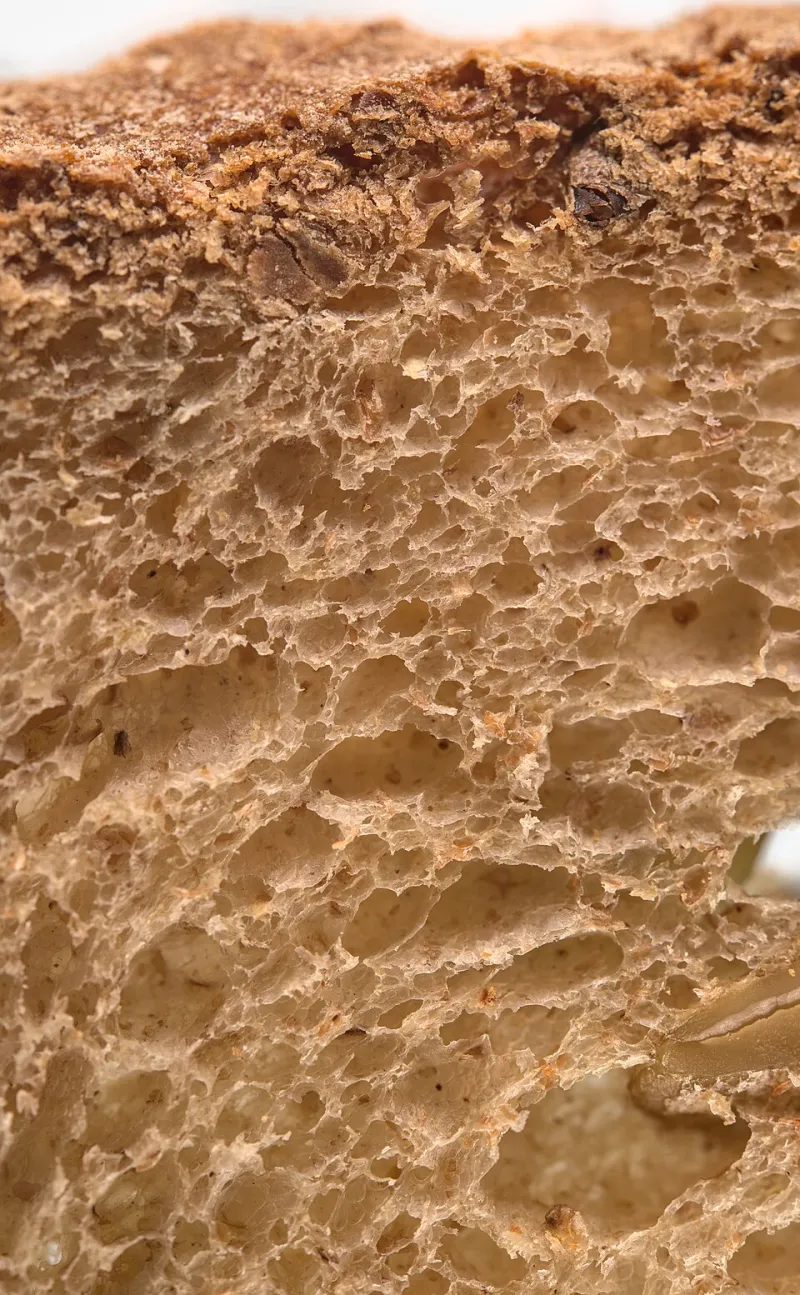
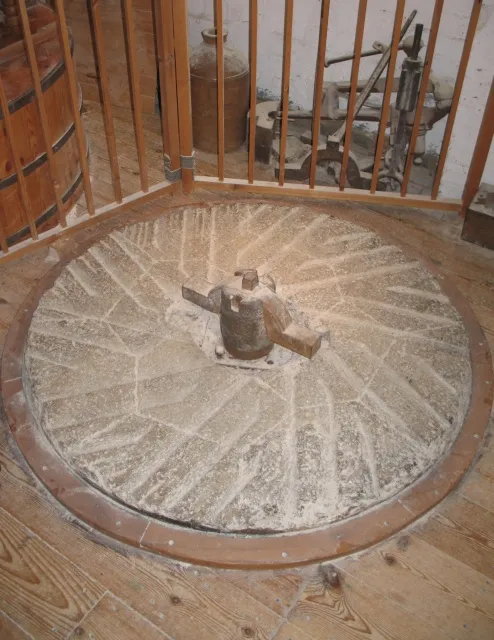
Photo: August Geyler, CC BY-SA 4.0, via Wikimedia Commons
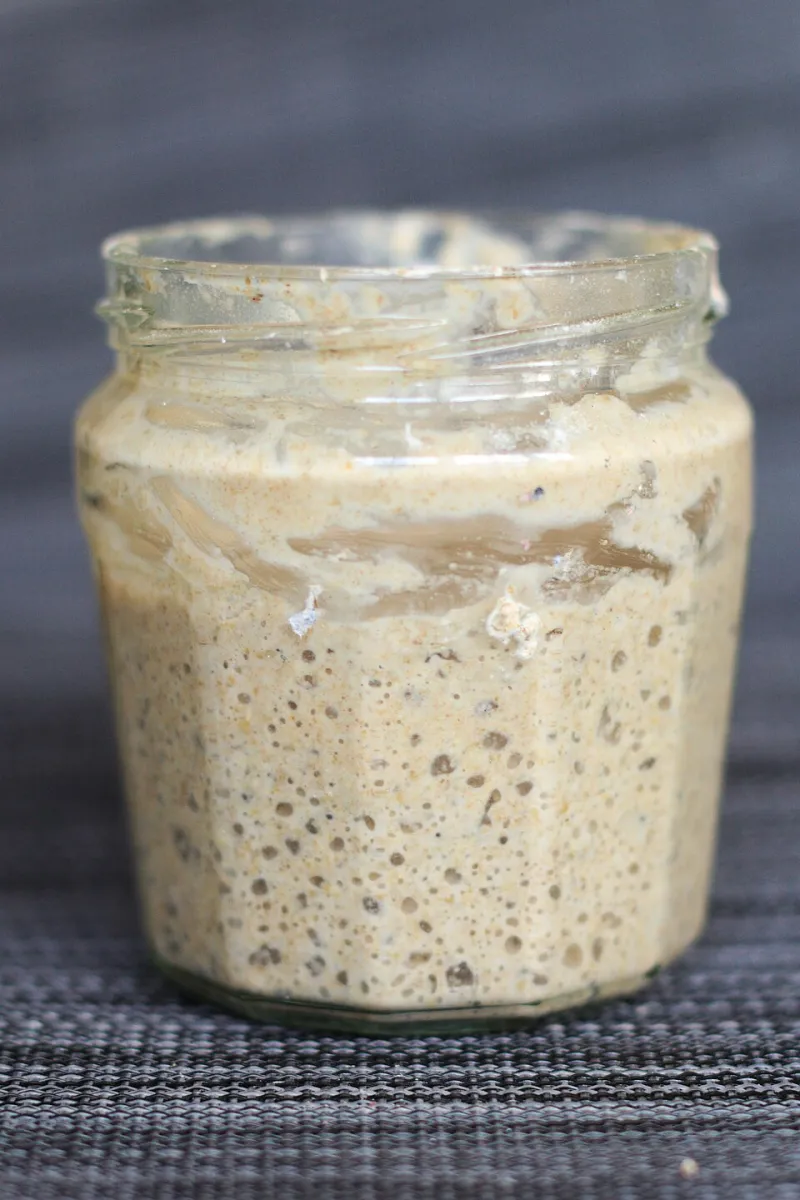
Ask any seasoned baker what separates a good loaf from a transcendent one, and the answers usually circle around the same suspects: starter health, flour quality, fermentation time, oven temperature. Water rarely makes the shortlist. But spend enough time talking to Oakland's most obsessive bread makers, and a different picture starts to emerge — one where the stuff flowing out of your kitchen faucet deserves just as much credit as your prized 10-year-old sourdough culture.
Oakland's municipal water supply draws primarily from the Mokelumne River watershed in the Sierra Nevada, delivered through the East Bay Municipal Utility District (EBMUD). It's consistently rated among the cleanest in the country. But beyond purity, it's the chemistry that bakers here are quietly obsessing over.
Why Water Chemistry Is Actually a Big Deal
Water interacts with bread dough in ways most home bakers never think about. Mineral content — specifically calcium, magnesium, and sodium levels — directly influences gluten development. Calcium, for instance, tightens gluten strands, giving dough more structure and elasticity. Too little, and your loaf can spread flat and sluggish. Too much, and fermentation slows to a crawl because the minerals inhibit yeast activity.
Then there's pH. Slightly acidic water (anywhere in the 6.5 to 7.0 range) tends to strengthen gluten networks and subtly boosts fermentation, while highly alkaline water can neutralize the acids your starter works so hard to produce — essentially muting the sour, complex notes that define a great sourdough.
Oakland's water typically clocks in around a pH of 7.5 to 8.0 coming out of the treatment plant, but it's relatively soft — meaning lower concentrations of dissolved minerals than, say, the notoriously hard water of Phoenix or Houston. That softness is a double-edged sword that skilled bakers here have learned to work with rather than fight against.
"Soft water can make dough a little slack and sticky at first," says one longtime East Oakland bread baker who's been milling and baking out of a shared production kitchen near Fruitvale for over six years. "But once you understand that, you adjust your hydration, maybe add a small amount of sea salt earlier in the mix, and suddenly you're getting this incredible open crumb and a crust that shatters in a way I've never been able to replicate when I bake anywhere else."
Oakland vs. the World's Great Bread Cities
It's worth putting Oakland's water in a global context, because bread-obsessed cities around the world have long understood that water is terroir.
In Paris, bakers have historically benefited from moderately hard, slightly alkaline water drawn from the Seine basin — a profile that's been credited, along with wheat variety and fermentation tradition, with the distinctive chew and thin crispness of a classic baguette. When Parisian bakeries have opened outposts in the US, some have gone so far as to import French water or install remineralization systems to replicate those conditions.
Tokyo, another city with a near-mythological bread culture, works with exceptionally soft, slightly acidic water. Many bread scholars point to this as a key reason Japanese milk bread (shokupan) achieves its impossibly pillowy, feather-light texture — soft water produces a more extensible gluten network that traps gas beautifully during proofing.
San Francisco, just across the bay, gets a lot of attention for its sourdough. Its water profile is similar to Oakland's in softness, but the two cities' microclimates differ enough that the wild yeast and bacterial cultures in the air — the invisible community that colonizes your starter — behave differently. Oakland's warmer, drier summers and more sheltered neighborhoods mean fermentation can move faster and more assertively here.
"I always tell people Oakland sourdough has more attitude," laughs a baker based in the Temescal neighborhood who started her micro-bakery during the pandemic. "It's not as aggressively sour as the classic SF loaf, but it's got this nutty, almost caramel complexity that I think comes from how our fermentation environment works with our water. It's its own thing."
The Baker's Toolkit: Working With What Oakland Gives You
So what do local bakers actually do with this knowledge? The answers are surprisingly practical.
Some bakers add a small pinch of food-grade calcium carbonate or use a bit of filtered water blended with tap to dial in mineral levels during summer months when water chemistry can shift slightly. Others pay close attention to dough temperature as a proxy — since Oakland's water is generally cooler out of the tap than cities in hotter climates, they factor that into autolyse timing.
Fermentation schedules get adjusted seasonally, too. In Oakland's mild winters, bulk fermentation might stretch an extra hour. Come August, when the temperature in a home kitchen can climb, that same dough might be ready to shape 90 minutes earlier. The water temperature coming out of the tap changes throughout the year, and experienced bakers track it the way a winemaker tracks soil moisture.
One of the more fascinating adaptations we've heard about involves using Oakland's water intentionally for levain builds. Because the water is soft and relatively low in chloramine (EBMUD uses chloramine rather than chlorine, which dissipates less easily but affects yeast less aggressively than free chlorine), many bakers here don't bother filtering their water before feeding their starters — something bakers in heavily chlorinated cities are often advised to do.
The Invisible Ingredient You've Been Ignoring
There's a broader point here that goes beyond chemistry. Oakland has always been a city that rewards paying attention — to its neighborhoods, its history, its people. The bakers who thrive here tend to be the ones who listen closely to what the city is telling them, whether that's through the community they serve or the dough they're shaping at 5 a.m.
Water is just another form of that listening. It's Oakland's contribution to every loaf, a mineral signature that's been flowing down from the Sierra Nevada long before anyone was baking sourdough in a Temescal kitchen or a Fruitvale warehouse.
Next time you tear into a loaf from a local bakery and marvel at the crumb structure — those irregular, glassy holes and that crackling, mahogany crust — remember that a small part of what you're tasting is the city itself. Not just in some poetic sense, but in a very literal, molecular one.
Oakland is in the water. And the water is in the bread.