Alive and Hungry: What Oakland's Climate Teaches You About Feeding a Sourdough Starter
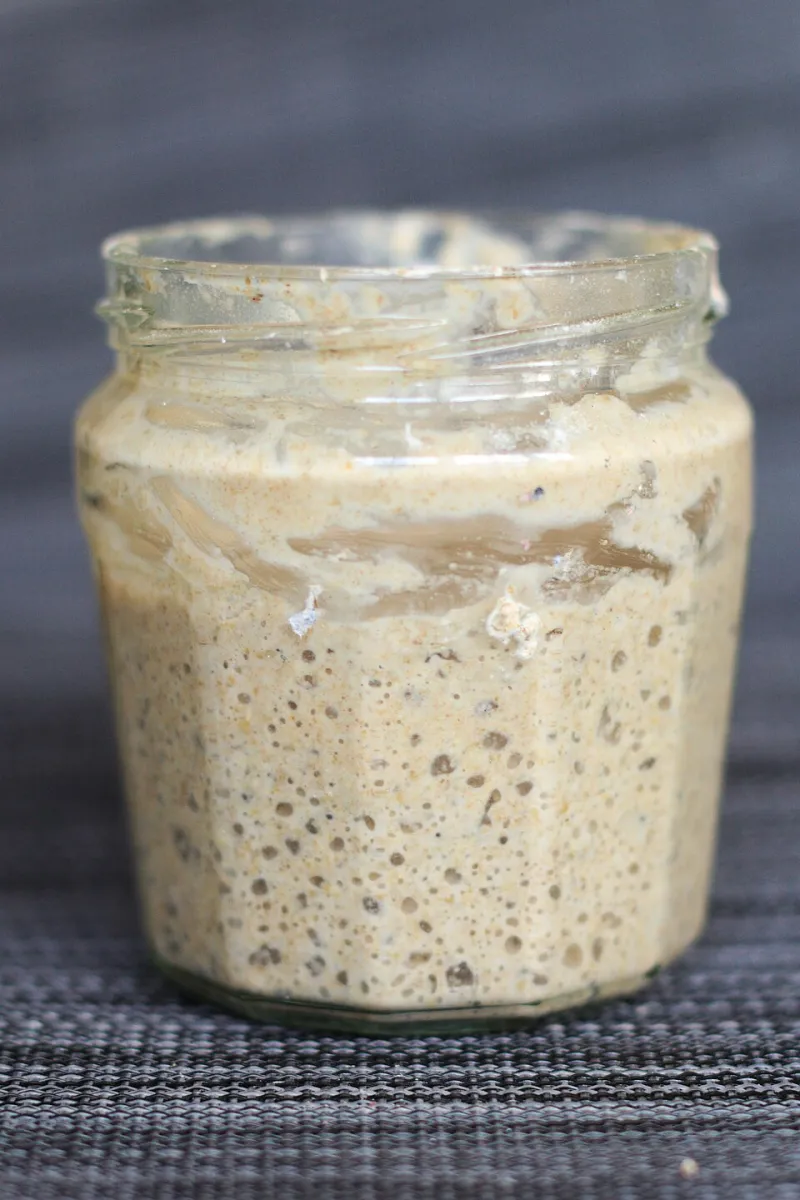
Photo: Jeuwre, CC BY-SA 4.0, via Wikimedia Commons
There's a jar on the counter at Merritt Bakery that's been going longer than some of our staff members have been alive. It bubbles on its own schedule. It gets moody in July. It practically leaps out of its container come October. That jar — our sourdough starter — is less a recipe ingredient and more a living collaborator, one that responds directly to Oakland's famously unpredictable microclimate.
If you've ever tried to keep a starter at home and wondered why it behaves so differently in winter versus summer, or why your neighbor's starter seems perkier than yours even though you're both following the same YouTube tutorial, the answer is almost certainly environmental. Oakland's Bay Area location gives us a climate unlike anywhere else in the country — and that specificity matters enormously when you're cultivating wild yeast.
We sat down with a few of the bakers who make the magic happen here and around the neighborhood to break it all down.
What a Starter Actually Is (And Why It's So Sensitive)
A sourdough starter is a fermented mixture of flour and water that hosts a community of wild yeast and lactic acid bacteria. These microorganisms consume the sugars in flour, producing carbon dioxide (which makes bread rise) and organic acids (which give sourdough its characteristic tang). The whole ecosystem is exquisitely sensitive to temperature, humidity, and the mineral content of your water.
"People think of a starter like a pet, and honestly, that's not wrong," says one of our head bakers, who's been managing fermentation here for years. "But it's more like a pet that has a very strong opinion about the weather."
In most of the country, bakers deal with dramatic seasonal temperature swings — hot, humid summers and cold, dry winters. Oakland's version is subtler but no less consequential. Our summers are dry and can swing between cool mornings and hot afternoons. Our winters are mild but damp. And then there's the legendary June Gloom, that weeks-long stretch of marine layer that keeps temperatures hovering in the low 60s well into what the rest of the country considers summer.
The June Gloom Slowdown
For home bakers, June can be genuinely baffling. You fed your starter faithfully, it was going strong in May, and now it's sluggish and taking forever to peak. You haven't changed anything — but the weather has.
Cooler temperatures slow microbial activity. A starter that peaks in four hours at 78°F might take eight or nine hours when your kitchen is sitting at 62°F. This isn't a problem, exactly, but it does mean your timing needs to shift.
"During the June Gloom period, I move to a longer, cooler ferment intentionally," explains a baker at a small East Oakland operation we've collaborated with. "The flavor actually gets more complex. You just have to stop expecting your starter to behave like it's summertime."
Practical adjustments for cooler Oakland months:
- Extend feeding intervals — your starter doesn't need to eat as often when it's processing slowly
- Use slightly warmer water (around 80–85°F) when feeding to compensate for ambient cold
- Find the warmest microspot in your kitchen — near the oven, on top of the refrigerator, or inside an oven with just the light on
- Reduce the amount of starter you carry — a smaller inoculation percentage means a longer, more controlled ferment
The September Surge (And How Not to Get Burned)
If June is the season of patience, late summer and early fall in Oakland is the season of vigilance. When those dry Diablo winds kick in and temperatures spike inland, your kitchen can hit 85°F or higher — and your starter will go absolutely feral.
A starter that normally takes six hours to peak can be done in two. If you're not watching it, it'll peak and crash before you even get to use it, leaving you with an over-fermented, overly acidic culture that produces flat, dense bread.
"September is when I have to think like a scientist," says our head baker. "I'm checking hydration, I'm checking timing, I'm sometimes moving the starter into the walk-in for part of its ferment just to slow it down."
For home bakers without a walk-in refrigerator (fair), the adjustments look like this:
- Increase hydration slightly — a wetter starter ferments more evenly in heat
- Use cooler water when feeding, even refrigerator-cold water in extreme heat
- Shorten your feeding ratio — feeding 1:5:5 (starter:flour:water) instead of 1:2:2 will slow things down
- Refrigerate between feedings if you're not baking daily — this is actually fine and underused by home bakers
Hydration: Oakland's Variable You Can Control
Hydration — the ratio of water to flour in your starter — is one of the most powerful levers you have. A stiffer starter (lower hydration, around 65–75%) ferments more slowly and tends toward a more complex, less acetic flavor. A looser starter (higher hydration, 100% or more) ferments faster and can develop more lactic, yogurt-like notes.
In Oakland's dry fall and winter months, many experienced bakers bump hydration up slightly to compensate for flour that's absorbed ambient dryness. In our humid winter and spring, they pull it back. It sounds fussy, but once you get a feel for it, these adjustments become intuitive — like seasoning food to taste rather than by the teaspoon.
The Year-Round Feeding Schedule That Actually Works Here
There's no single universal schedule, but here's a framework that's been refined through Oakland kitchens:
Winter/Spring (Nov–May): Feed once daily at room temperature, or twice daily if baking frequently. Water temperature 78–82°F. Expect 6–10 hour peak times.
June Gloom (June–early July): Feed once daily with slightly warmer water. Be patient. Don't panic if peaking takes all day.
Late Summer/Fall (Aug–Oct): Feed twice daily minimum if keeping at room temperature. Watch peak times closely. Consider partial refrigeration.
Year-round tip: If you're not baking more than once or twice a week, keep your starter in the fridge and feed it once a week. Pull it out the day before you bake, give it a room-temperature feed, and it'll wake right up.
Why This Matters Beyond the Kitchen
Understanding your starter is understanding your place. There's something genuinely beautiful about the fact that the bread we bake here tastes different from bread made in Chicago or Atlanta — not just because of our flour or our technique, but because the wild yeast in our starters has adapted to Oakland's air, Oakland's seasons, Oakland's particular version of the world.
When you buy a loaf from us, or from any of the incredible small-batch bakers working out of this city, you're tasting that specificity. You're tasting the Diablo winds and the June Gloom and the cool mornings by the lake.
That's what sourdough really is: not a trend, not a technique, but a conversation between baker and place. We're just lucky to be having that conversation in Oakland.