Loaf by Loaf: How Oakland Became the Bread Pilgrim's Promised Land
Photo: artisan bakery storefront Oakland California bread loaves display morning, via sardiniafarm.com
There's a woman from Portland who drives down to Oakland twice a year. She books the same Airbnb near Lake Merritt, makes a loose itinerary, and structures her entire weekend around visiting bakeries. She is not a food writer. She is not an influencer. She is a middle school science teacher who just really, really loves bread.
"I've done wine weekends, I've done farm-to-table dinners in Napa," she told us over a cup of coffee at a spot near Grand Avenue. "But nothing hits the same as spending a Saturday morning walking between bakeries, talking to the people who made what I'm eating. Oakland has something I haven't found anywhere else."
She is not alone. Quietly, without a tourism board campaign or a splashy magazine feature, Oakland has become one of the most compelling bread destinations in the country. Bakers who opened their doors hoping to serve their neighborhoods are now fielding questions from visitors who flew in from Chicago, drove up from Los Angeles, or crossed the bay specifically to taste what's coming out of local ovens.
The Accidental Destination
Ask any longtime Oakland baker when they first noticed the shift, and most will point to sometime in the early post-pandemic years. The sourdough obsession that swept the country during lockdown didn't just produce home bakers — it produced a generation of deeply curious bread eaters who wanted to understand what separated a truly extraordinary loaf from a decent one. Oakland, with its concentration of serious, craft-obsessed bakeries and its reputation for culinary innovation, became an obvious place to look for answers.
"People started showing up with questions I wasn't used to hearing," said one baker who runs a small operation out of a converted garage space in the Temescal neighborhood. "They'd ask about my hydration ratios, where I was sourcing my wheat, how long my cold ferment was running. These weren't casual questions. These were people who had done their homework."
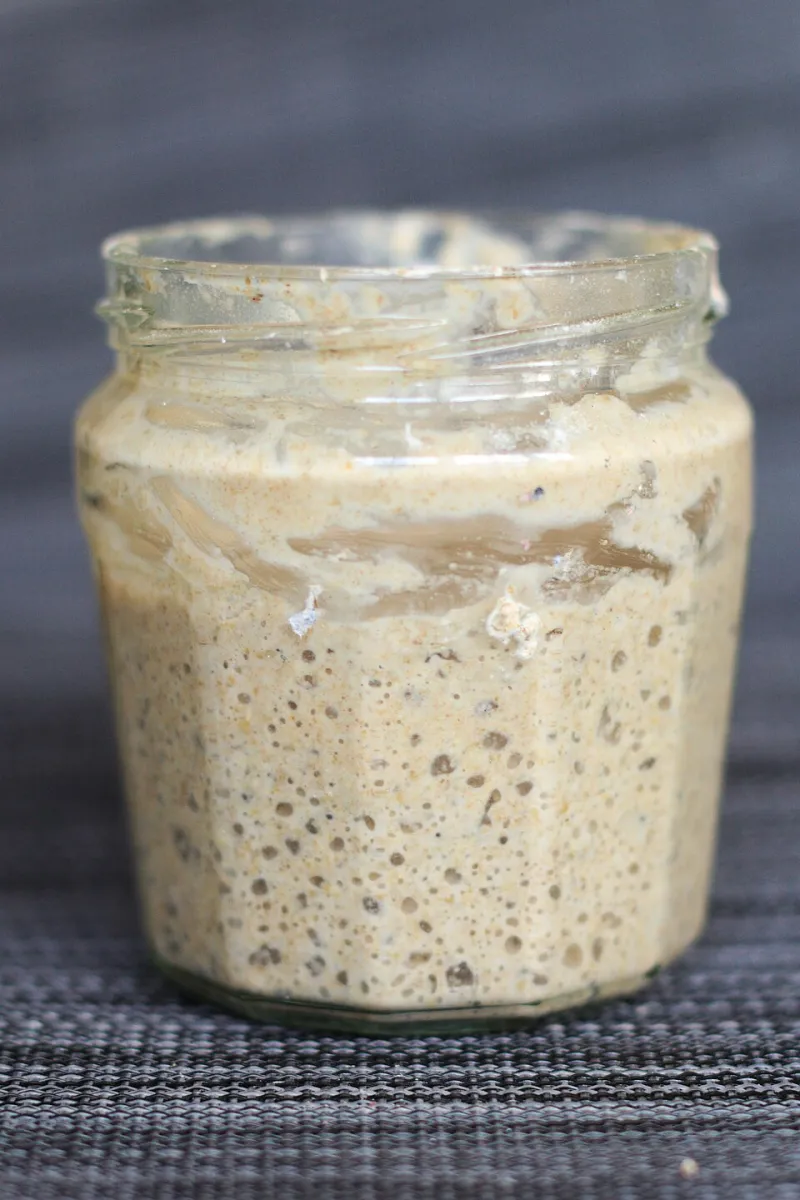
The economics of this shift are real and measurable. Bakeries that once relied almost entirely on neighborhood regulars are now reporting that weekend foot traffic includes a meaningful percentage of out-of-towners. Some have started selling branded merchandise — linen bread bags, tote bags, even small jars of dried starter — specifically because visitors kept asking for something to take home.
Planning a Trip Around a Loaf
The idea of traveling for bread might sound extreme to someone who hasn't done it, but the logic holds up once you think it through. Unlike a restaurant meal, bread is deeply tied to place. The ambient wild yeasts floating around an Oakland bakery are not the same ones drifting through a bakery in Austin or Boston. The water is different. The grain sourcing relationships are different. The cultural influences pouring in from the Bay Area's incredible diversity of food traditions are different. You genuinely cannot replicate an Oakland loaf somewhere else, which means the only way to taste it is to come here.
Travel platforms have started reflecting this reality. Bread-focused walking tours have appeared in Oakland, informal at first but increasingly organized, guiding visitors through a curated circuit of bakeries with context about each one's techniques and philosophy. Food tourism operators who built their businesses around restaurant reservations are now fielding requests for bakery-specific itineraries.
"I had a couple from Atlanta reach out wanting a full Saturday mapped out," said one local food tour guide. "They wanted to start with an early-morning sourdough pickup somewhere, hit a mid-morning laminated pastry spot, and end with a loaf they could take to a picnic at the park. That's a full narrative arc. That's what people want now."
What Draws People Here Specifically
Oakland's appeal as a bread destination isn't accidental — it's the product of a specific set of conditions that came together over years. The city has long attracted creative people priced out of San Francisco who brought their ambitions with them. It has a culture that celebrates experimentation and community investment in equal measure. And it has a food scene that takes influences from West African, Mexican, Southeast Asian, and East Bay hippie grain-nerd traditions and stirs them together without apology.
The result is a baking landscape that feels genuinely unlike anywhere else. You can find a Yemeni honey-soaked pastry a few blocks from a hyper-technical Scandinavian-influenced rye operation. A bakery doing Oaxacan-inspired corn breads might share a street with someone obsessing over heritage wheat varietals from the Central Valley. The diversity isn't a gimmick — it's the actual texture of the city, expressed through flour and fermentation.
For bread tourists, that density of distinct approaches in a walkable, navigable city is the whole point. You can cover serious ground in a weekend. You can eat a lot of bread without getting in a car.
The Community Side of Bread Tourism
Not everyone is entirely comfortable with the tourism label. Some bakers worry about becoming a destination at the expense of their neighborhood identity — about the regulars who've been coming since day one getting crowded out by visitors snapping photos of their loaves for Instagram. It's a tension worth naming honestly.
But others see the influx as an opportunity to tell a bigger story about Oakland. When someone travels here specifically to visit bakeries, they're also spending money in the neighborhood, eating at local restaurants, staying in local hotels. They're hearing about the city from the people who actually live and work here, rather than from a travel magazine's version of it.
"Every person who comes through that door because they read about us somewhere, I get a chance to tell them about this neighborhood, about this city," said one baker near the Fruitvale corridor. "That feels like something worth doing. Oakland has a story to tell. Bread is just a pretty delicious way to start telling it."
The science teacher from Portland is already planning her next trip. She's got a list.