No Second Location, No Regrets: The Business Philosophy Keeping Merritt Bakery Firmly Planted in Oakland
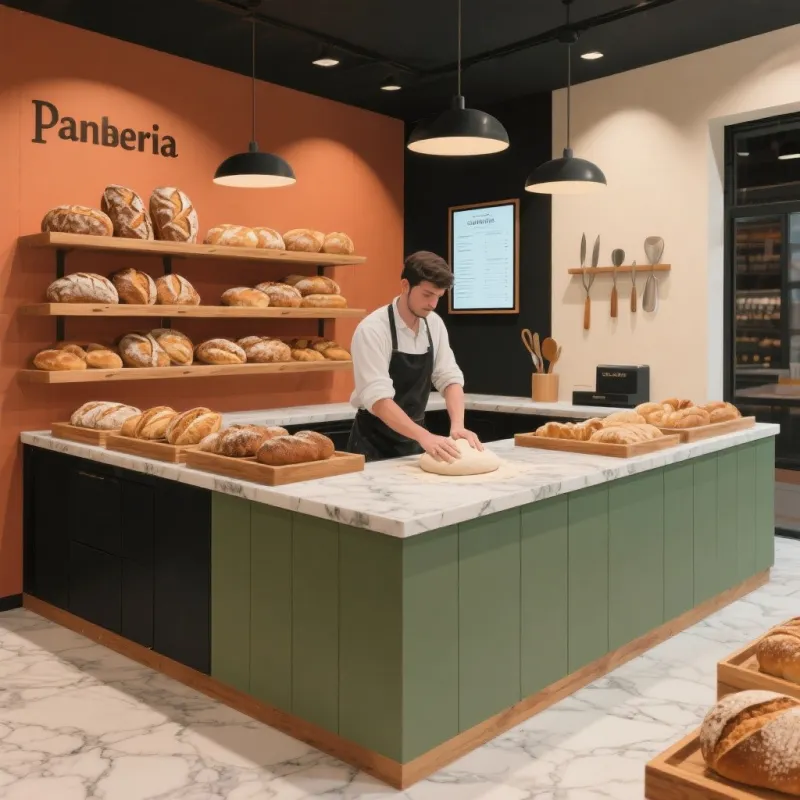
Photo: independent bakery owner Oakland small business artisan bread counter, via images.stockcake.com
There's a particular kind of pressure that comes with doing something well. You get good at baking bread, your croissants develop a following, your morning line starts wrapping around the block — and suddenly, people with clipboards and business cards start showing up. They use words like scalability and brand equity. They ask if you've ever considered a second location. A third. A franchise model, maybe.
At Merritt Bakery, we've heard the pitch. More than once.
And every single time, the answer has been the same.
The Offer on the Table
It would be dishonest to pretend the temptation isn't real. Expansion is the default success story in American food culture. Open one restaurant, open five. Build a brand, license the name, watch the revenue multiply. For a lot of operators, that's the dream — and there's nothing wrong with dreaming it.
But somewhere along the way, the people behind Merritt Bakery started asking a different question. Not can we grow? but what do we actually want to be?
That question, it turns out, has a pretty clear answer when you're standing inside a bakery that smells like fermented dough and brown butter at six in the morning, watching your regulars shuffle in before the rest of Oakland wakes up. You want to be this. Exactly this.
"We've had real conversations about it," says one of the bakery's co-owners, pouring coffee into a mug that's been in the shop longer than most of the staff. "And every time we get to the end of the conversation, we ask ourselves: would the thing we'd be building still feel like us? And the honest answer is no. Not really."
What Gets Lost in the Scaling
Anyone who's watched a beloved local spot expand too fast knows the particular grief that follows. The original location starts feeling like a flagship — which is just a polite way of saying it becomes a showroom. The sourness gets standardized. The seasonal specials get replaced by a laminated menu. The staff who knew your name get spread thin across multiple locations, and eventually nobody knows your name at all.
That erosion isn't inevitable, but it's common enough to be a legitimate fear.
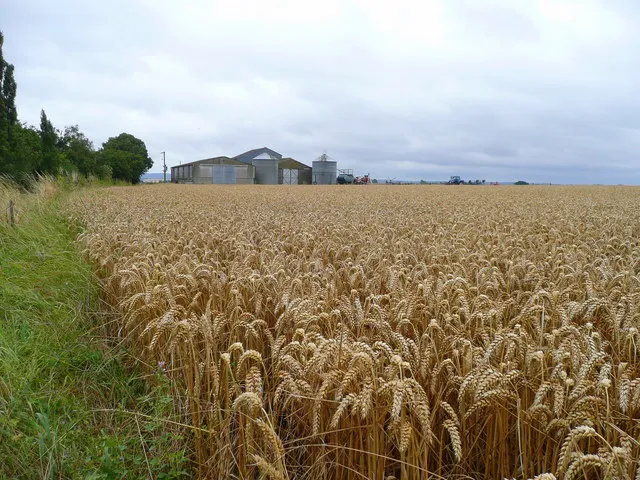
At Merritt Bakery, a huge part of what we make depends on things that genuinely can't be replicated at scale. Our sourdough starter has been fed and tended here, in this kitchen, in this specific Oakland microclimate. The relationship between our bakers and our farmers — the ones growing heritage grains in the Central Valley, the ones sending us stone-milled flour from small operations up in Sonoma County — those are personal relationships built over years of actual conversation. You can't franchise that. You can try to approximate it, but approximations are just disappointments waiting to happen.
"The bread we make here is a product of here," one of our head bakers explains, patting a proofing basket like it's a small sleeping animal. "The air, the water, the relationships, the weird little habits we've developed in this specific kitchen. You move it somewhere else and it becomes something else. Maybe something fine. But not this."
Loyalty as a Business Model
Here's the part that surprises people when they hear it: staying small hasn't hurt us. If anything, the deliberate choice to not expand has become one of our most powerful competitive advantages.
In a food landscape crowded with concepts and chains and celebrity chef spinoffs, a bakery that genuinely, stubbornly stays put starts to feel rare. And rare things develop devoted followings.
Our regulars don't just come back because the pain au chocolat is good (though it is very good). They come back because they feel a sense of ownership over this place. They've watched it stay the same while everything around it changed. They've seen us turn down the deals. They've seen us hold the line on quality when it would have been easier and more profitable to cut corners. That history creates a kind of trust that no marketing budget can manufacture.
"People tell us they feel protective of this place," says our front-of-house manager, who has worked here long enough to have opinions about every era of our pastry case. "Like it's theirs. And in a real way, it kind of is. This neighborhood shaped what we became. We're not going to take that and turn it into a brand."
The Real Cost of Saying No
Let's be honest about something: the decision to stay small isn't without sacrifice. There are mornings — usually the ones where the oven acts up and the delivery is late and the line is longer than usual — when the idea of having a management team and a corporate infrastructure sounds genuinely appealing. Expansion, done right, can mean more resources, more stability, more people sharing the weight.
Passing on that isn't always easy.
But the calculus keeps coming out the same way. More locations means more complexity. More complexity means more systems. More systems means less of the thing that made people love us in the first place — which is the sense that actual humans with actual taste and actual values are making decisions about what ends up in the case every morning.
"We'd rather be excellent at one thing than okay at many things," the co-owner says simply. "Oakland deserves excellent."
Rooted Is Not the Same as Stuck
There's a version of this story where staying in one place reads as fear — fear of risk, fear of change, fear of the unknown. That's not what this is.
Merritt Bakery has evolved constantly. Our menu shifts with the seasons and with what our farmers are growing. Our bakers experiment, fail, try again, and occasionally land on something so good it becomes a permanent fixture. We've deepened our relationships with the community, hosted baking classes, collaborated with other Oakland makers. We've grown in every direction except outward.
Rooted doesn't mean rigid. It means knowing where you belong and choosing to stay there with intention.
Oakland is a city that has been pushed and pulled and speculated on and transformed in ways that have cost a lot of people a lot. Staying here — actually staying, not just keeping the name while the soul moves somewhere more profitable — feels like a small act of resistance. A declaration that some things are worth more than their franchise potential.
The bread proves it every morning. Come find us. We'll be here.