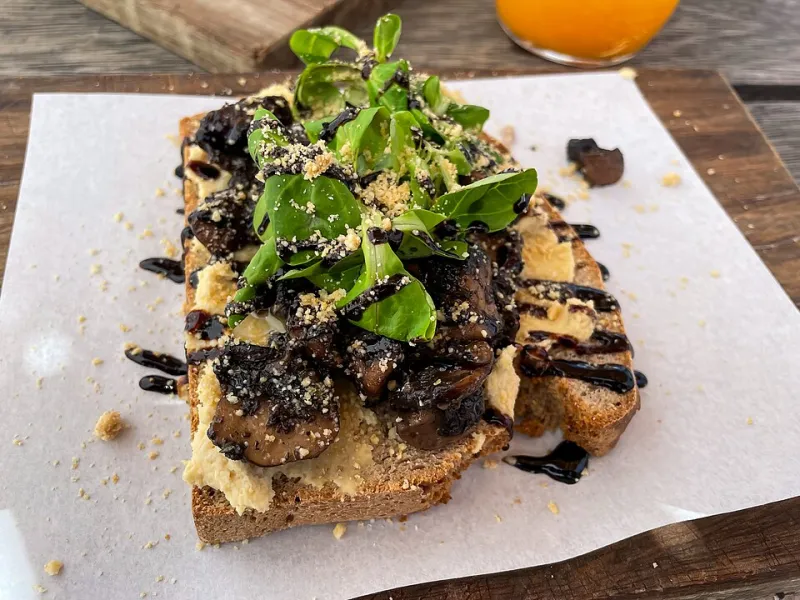
Eating With the Season: How Merritt Bakery Lets California's Agricultural Calendar Write the Menu
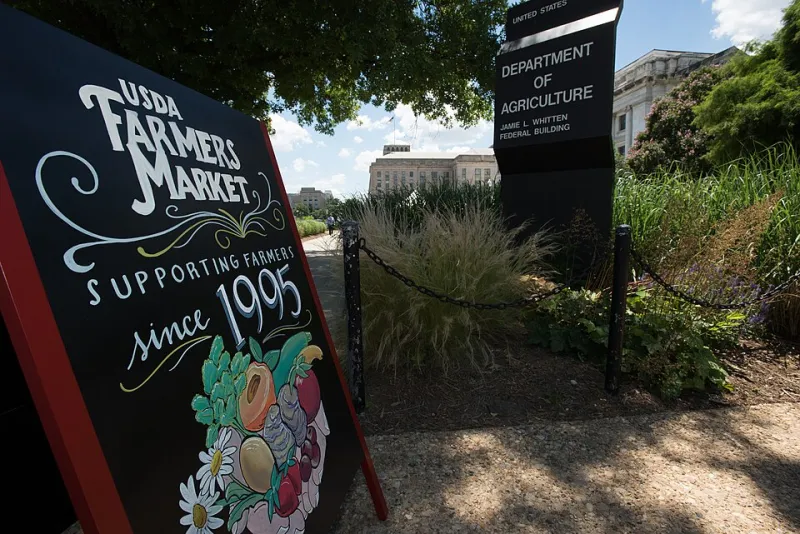
Photo: USDAgov, Public domain, via Wikimedia Commons
There's a moment every few weeks at Merritt Bakery when something on the menu quietly disappears. No announcement, no fanfare. The persimmon danish that was there on Tuesday is gone by Friday, replaced by something featuring Meyer lemon curd or a blood orange glaze. If you weren't paying attention, you might miss it entirely. But regulars notice. And increasingly, they're showing up specifically because they know things change.
That's the rhythm Merritt has built its identity around — not the predictability of a laminated menu that never shifts, but the honest, sometimes inconvenient truth that good ingredients don't stay in season forever.
The Menu That Moves
Walk into most bakeries in the country and you'll find the same offerings in January that you found in July. Blueberry muffins year-round. Strawberry shortcake in November. The produce might be technically available — shipped from somewhere warmer, picked early, traveled far — but it doesn't taste like anything worth writing home about.
Merritt does things differently. The team works backward from what's actually available in Northern California at any given time, building their bread and pastry offerings around ingredients that are at their peak rather than ingredients that are merely accessible. In practice, that means the bakery's menu rotates on a cycle that mirrors what's happening at farms within a few hours of Oakland.
Spring brings Meyer lemons and early strawberries. Summer opens up stone fruit season — nectarines, apricots, cherries — and the pastry case starts to look almost reckless with color. Fall is where things get interesting: Fuyu persimmons, quince, Gravenstein apples, and the kind of earthy winter squash that pairs unexpectedly well with a dense, seeded loaf. By January, citrus takes over, and the whole cycle starts again.
"We've had customers get genuinely upset when something's gone," says one of the bakers. "And at first that's hard to hear. But then they come back the next week and fall in love with whatever replaced it. That's the whole point."
The Suppliers Behind the Shift
None of this works without relationships. Merritt's sourcing network is a patchwork of small farms, community-supported agriculture programs, and regional grain producers who share the bakery's commitment to growing things with care. These aren't transactional vendor relationships — they're ongoing conversations about what's coming, what's thriving, and what's struggling in any given season.
Take the flour. Merritt has leaned hard into sourcing from California grain growers who are reviving heritage wheat varieties that largely disappeared from commercial agriculture decades ago. These grains behave differently in fermentation — some are more extensible, some produce a more complex crumb — and working with them requires the kind of attentiveness that industrial baking simply doesn't allow for. But the payoff is a loaf that tastes distinctly of a place, not just of bread.
The fruit suppliers are equally intentional. Rather than working with distributors who aggregate from dozens of sources, Merritt tries to keep its relationships direct. When a small Brentwood farm has an exceptional cherry harvest, the bakery knows about it early enough to plan around it. When a late frost threatens the apricot crop in the Central Valley, they hear about it the same week the farmers do.
That kind of proximity to the source changes how the team thinks about waste, planning, and creativity. It also means the people behind the counter can actually tell you where your morning pastry came from — not in a vague, feel-good way, but with specifics.
What Customers Are Starting to Understand
Here's the thing about seasonal eating that nobody tells you upfront: it requires a small but meaningful shift in how you approach food. You have to let go of the expectation that your favorite thing will always be there. You have to be open to something unfamiliar. And in exchange, you get ingredients that are doing exactly what they're supposed to do at exactly the right time.
Merritt's regulars have largely made that adjustment. There's a growing contingent of customers who don't even ask what's available — they just trust that whatever's in the case is worth trying. That's a level of food literacy that takes time to develop, and it's one that Merritt has quietly been cultivating through consistency and transparency.
The bakery doesn't make a big production of its sourcing philosophy. There are no lengthy chalkboard manifestos or QR codes linking to farm profiles. The communication happens organically — through conversation at the counter, through the quality of what ends up on your plate, and through the slow accumulation of experiences that teach you to trust the people making your food.
Why This Matters Beyond the Bakery
What Merritt is doing isn't just good for its customers. It's part of a larger feedback loop that supports California's agricultural ecosystem in ways that matter.
When a bakery commits to buying seasonal and local, it creates reliable demand for small producers who might otherwise struggle to compete with the volume pricing that larger operations can offer. It keeps money circulating within the regional economy. It reduces the carbon footprint associated with long-distance food transport. And it sends a signal to other businesses in the neighborhood — and the industry — that this approach is viable, even desirable.
Oakland has always had a strong food culture, but the bar for what counts as genuinely local has historically been pretty low. Saying you use California produce when that produce comes from a 500-acre industrial operation in the Central Valley is technically accurate but misses the spirit of the thing. Merritt is part of a growing cohort of Bay Area food businesses pushing toward something more rigorous — more honest — about what local sourcing actually requires.
The Living Menu
Somewhere between a business strategy and a philosophy, Merritt's seasonal approach has become a kind of ongoing editorial statement about what Oakland food can be. The menu is never finished. It's always in the middle of becoming something else, shaped by rain patterns and harvest timelines and the decisions of farmers working land that most of the bakery's customers will never visit.
There's something genuinely radical about that, even if it doesn't announce itself as such. In a food landscape dominated by standardization and scalability, choosing to let the seasons write your menu is a quiet act of defiance — and an ongoing invitation to pay attention.
Next time something you love is gone from the case, ask what replaced it. Odds are, it's something worth getting excited about.