Stand Here for Five Minutes and Watch Oakland Get Fed
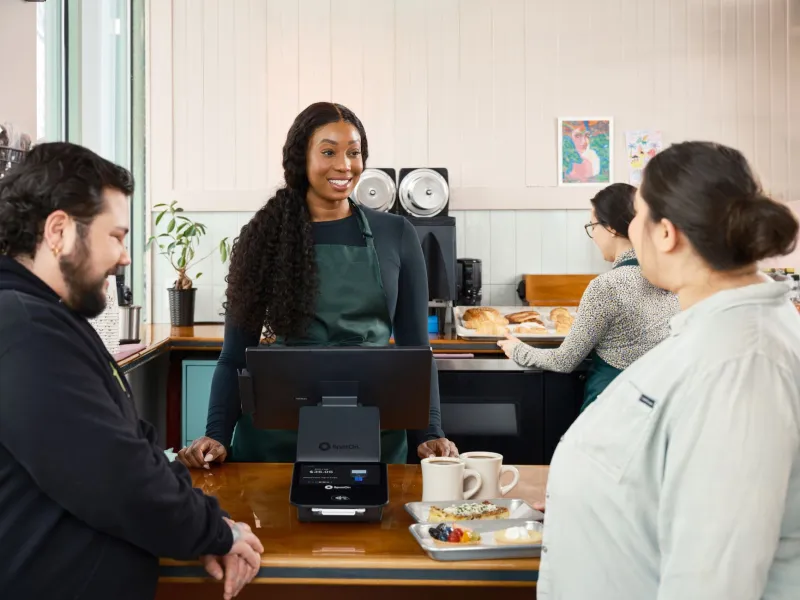
You didn't come here to watch. You came for the morning bun or the seeded rye or whatever it is you've been thinking about since Tuesday. But then something happens. You get to the counter, you place your order, and instead of checking your phone while you wait, you just... stop. And look.
This is what the counter at Merritt Bakery does to people. It turns customers into witnesses.
What follows is a description of that experience — not as a baker, not as a food critic, but as someone standing in line on a regular Oakland morning, watching people do something they're genuinely good at.
1. The Dough on the Table Looks Alive Because It Is
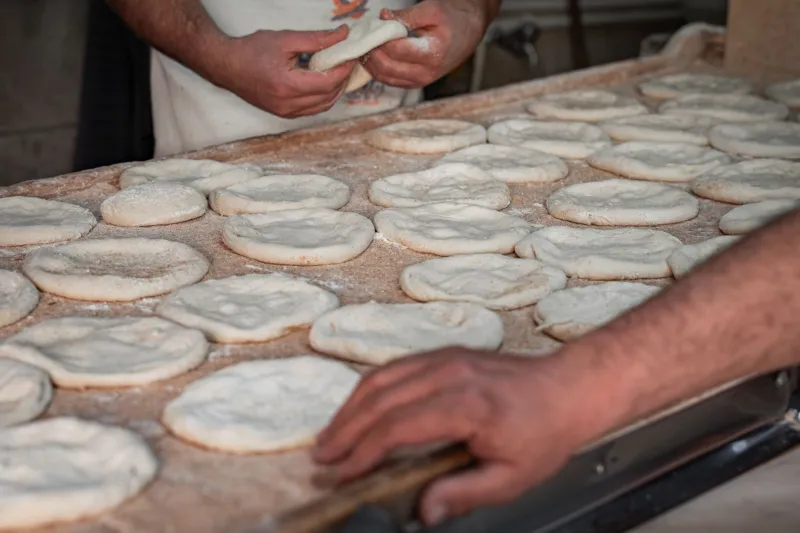
The first thing that stops you is the bench. Through the pass-through or the open kitchen depending on where you're standing, there's almost always someone working a piece of dough. And if you've only ever seen bread dough in a mixing bowl at home, the way a skilled baker handles it in a commercial kitchen is genuinely arresting.
It doesn't look like kneading. It looks more like a negotiation. Hands press, fold, rotate. The dough moves in a way that seems almost cooperative, like it's meeting the baker halfway. There's no aggression in it. Just a kind of practiced conversation between a person and something that is, technically, alive.
You could watch this for longer than you'd expect. Several people do.
2. The Oven Door Opens and the Room Changes
At some point during the morning rush, someone will pull bread from the oven. When this happens, the entire room shifts slightly. The smell, which was already doing its work on you from the moment you walked in, intensifies. The temperature near the counter bumps up a few degrees. People who were mid-sentence in conversations pause.
The loaves come out on a peel or in a pan or stacked on a rack, depending on what's baking. They're darker than you'd expect — proper bread is browner than the grocery store has trained you to think is normal. The crust crackles audibly as it cools, a sound that, once you've heard it, you will find yourself listening for.
A woman near the door once described it to nobody in particular as "the most satisfying sound in the world." Nobody disagreed.
3. The Scoring Is a Small Act of Artistry
If you're lucky enough to be at the counter when someone is scoring loaves before they go in — drawing the blade across the surface of the dough in controlled, deliberate cuts — you're watching something that looks simple and is not.
Scoring controls how the bread opens in the oven, where it expands, what the finished loaf looks like. A confident score is a single clean motion. The blade doesn't drag. The baker doesn't second-guess. You can tell immediately whether someone has done this a thousand times or a hundred.
The ones who've done it a thousand times have a particular quality of stillness right before the cut. Like they're reading something in the surface of the dough that nobody else can see. Then the blade moves and it's over in a second.
Some of the patterns are purely functional. Others are beautiful. Often they're both.
4. The Morning Rush Has Its Own Choreography
Between 7:30 and 9:30 on a weekday, the bakery runs at a pace that looks chaotic from the outside and, after a few minutes of watching, reveals itself as something closer to choreography.
Orders are called. Bags are opened and filled. The case gets restocked from trays coming out of the back. Someone is making change while someone else is answering a question about the day's specials while someone else is boxing pastries with the practiced efficiency of a person who has boxed a very large number of pastries.
Nobody bumps into anyone. Nobody reaches across anyone. There's a spatial logic to how the team moves that you can start to read after a few minutes — who covers which station, who fields the questions, who keeps the case full. It's the kind of coordination that only comes from working alongside the same people long enough to anticipate them.
From the customer side of the counter, it looks like watching a small machine that runs on mutual trust.
5. The Regulars Know Something You Don't
Spend enough time at the counter and you'll notice a certain category of customer. They come in without looking at the menu. They greet the person behind the counter by name. They sometimes say things like "is the porridge loaf in yet" before the loaf in question has appeared anywhere visible.
These are the people who have put in the time. They know the rhythm of what comes out when. They know which days have which specials. They know, somehow, that a particular baker makes a version of the morning bun that is slightly different from everyone else's version, and they time their visits accordingly.
Watching a regular interact with the staff at Merritt is like watching two people who share a private language. There's a warmth in it that goes beyond customer service. It's the warmth of people who have shown up for each other, in the small but meaningful way that a neighborhood bakery makes possible, over a long stretch of time.
New customers sometimes look at this with something like longing. The good news is that the only requirement for becoming a regular is coming back.
6. The Croissant Lamination in the Case Is Doing Something to You
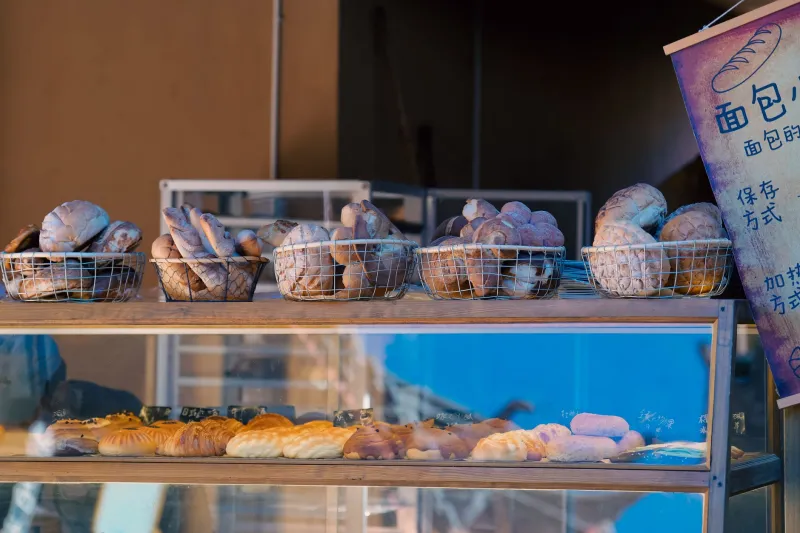
This one is subtle but real. If you stand in front of the pastry case for more than thirty seconds, the laminated pastries — croissants, kouign-amann, morning buns — will begin to exert a kind of visual pressure on you.
The layers are visible. That's the thing. You can see the work in the structure of the thing. Each layer of dough folded around butter, rolled, folded, rested, repeated. The finished pastry is a record of its own making, and if you know anything about how laminated dough works, you're looking at hours of labor compressed into a few inches of flaky architecture.
If you don't know anything about how laminated dough works, you're just looking at something beautiful and wondering why you can't stop looking at it.
Both responses are correct.
Why You Should Just Stand There for a Minute
Oakland moves fast. The morning has somewhere it's going. But there is something genuinely worth slowing down for at the counter of a bakery that takes what it does seriously.
Craft, when you watch it up close, is its own kind of argument. It says: this thing was worth doing carefully. It says: the people doing it have given real time and attention to getting it right. It says: what you're about to eat is the result of accumulated knowledge and daily practice and, yeah, a few thousand failures along the way.
That's a lot of information to get from five minutes at a bakery counter. But it's there if you look for it.
We'll be here tomorrow morning. Same time. Come watch.